
Government Hospital in Dwarka: What Residents Should Know Before They Need It
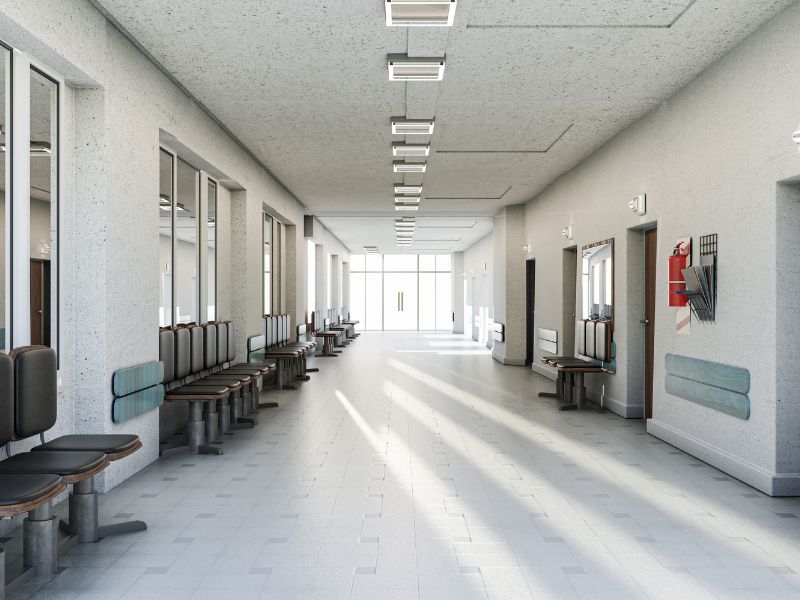
Healthcare decisions are rarely planned. A sudden fever, an accident, or a parent needing urgent attention can push anyone into quick action. In moments like these, knowing how a government hospital in Dwarka works can save valuable time and reduce panic. For many residents, these hospitals aren’t a fallback option they’re a dependable first choice for affordable, essential care.
This guide explains what services are available, how to navigate them smoothly, and why government hospitals remain a vital part of Dwarka’s healthcare ecosystem.
Why Government Hospitals Matter in Dwarka
Dwarka is home to families, senior citizens, students, and working professionals. While private hospitals are available, rising medical costs make government hospitals an important and practical solution.
A government hospital in Dwarka focuses on:
- Affordable or free treatment
- Access for all income groups
- Experienced doctors in core specialties
- Emergency care without payment delays
- For many households, it’s not about compromise it’s about sensible healthcare.
- OPD Services: The Starting Point for Most Patients
Outpatient Departments (OPD) handle routine and non-life-threatening health issues. This is where most patients begin their treatment journey.
Common OPD Consultations Include
- Fever, infections, and seasonal illnesses
- Blood pressure and diabetes checkups
- Joint pain, back pain, and orthopedic issues
- Child health and immunizations
- Women’s health and pregnancy-related care
Doctors assess symptoms, prescribe medicines, and recommend tests or referrals if needed. While OPD areas can be busy, the system is designed to handle volume efficiently.
Emergency Care With out Delay
Emergencies require speed, not negotiations. Most government hospitals in Dwarka operate 24-hour emergency services for situations such as accidents, chest pain, breathing issues, or sudden health deterioration.
A key advantage is accessibility patients are treated immediately without worrying about upfront payments, which can be critical during emergencies.
Diagnostic and Testing Facilities
Tests are often where medical costs increase rapidly. Government hospitals help control this by offering essential diagnostics at subsidized rates.
Available services usually include:
- Blood and urine tests
- X-rays and ultrasound scans
- ECG and basic heart tests
For patients managing long-term conditions, consistent access to affordable diagnostics makes continued care realistic.
Medicines That Ease Financial Pressure
Hospital pharmacies are one of the most practical benefits. Many prescribed medicines are available on-site, either free or at nominal cost.
This is especially helpful for:
- Senior citizens on daily medication
- Patients with chronic illnesses
- Families managing monthly healthcare expenses
- Even partial medicine availability can significantly reduce overall treatment costs.
How to Visit a Government Hospital in Dwarka (Step-by-Step)
Step 1: Reach Early
For OPD services, arriving early in the morning helps reduce waiting time and improves the chance of same-day tests.
Step 2: Registration
Head to the registration counter with a valid ID (Aadhaar card is commonly accepted). You’ll receive an OPD slip with department details.
Step 3: Doctor Consultation
Wait for your turn in the assigned department. Explain symptoms clearly and share any previous reports.
Step 4: Tests or Medicines
If tests are advised, follow directions to the lab or imaging department. Medicines can be collected from the hospital pharmacy.
Step 5: Follow-Up
Keep your OPD slip and reports safe for future visits.
Accessibility and Location Advantage
Dwarka’s planned infrastructure supports public healthcare access. Government hospitals are generally reachable by metro, DTC buses, and local transport. Inside the hospital, help desks and signage assist patients, even first-time visitors.
Crowds are common, but systems are built for scale rather than exclusivity.
FAQs About Government Hospitals in Dwarka
Q1. Are government hospitals in Dwarka free?
Most consultations and services are free or highly subsidized. Some tests may have minimal charges.
Q2. Do I need an appointment for OPD?
Usually no. OPD works on a walk-in basis, but reaching early is recommended.
Q3. Are emergency services available at night?
Yes, emergency departments typically operate 24/7.
Q4. Can private patients also visit government hospitals?
Yes. Government hospitals are open to everyone, regardless of income or background.
Q5. Are medicines always available?
Most essential medicines are available, but availability may vary. Doctors often prescribe alternatives if needed.
Q6. Is treatment quality reliable?
Doctors in government hospitals are qualified and experienced. The difference lies mainly in infrastructure and waiting time, not medical competence.
Why This Is Important for New Residents
If you’ve recently moved to Dwarka, identifying the nearest govt hospital in Dwarka is smart planning. It ensures you’re prepared for routine health issues and emergencies without last-minute confusion.
Final Thoughts
A government hospital in Dwarka may not offer luxury interiors or instant appointments, but it delivers what truly matters reliable healthcare that people can afford and access when it counts.
For long-time residents, it’s part of everyday life. For newcomers, it brings reassurance. And for families balancing health needs with financial realities, it remains one of the most dependable healthcare resources in Dwarka.